Regional Banking Preferences Shape Reward Structures in Global Sports Wagering and Virtual Gaming Platforms
Rosa Reed · Aug 24, 2026
Regional Banking Preferences Shape Reward Structures in Global Sports Wagering and Virtual Gaming Platforms
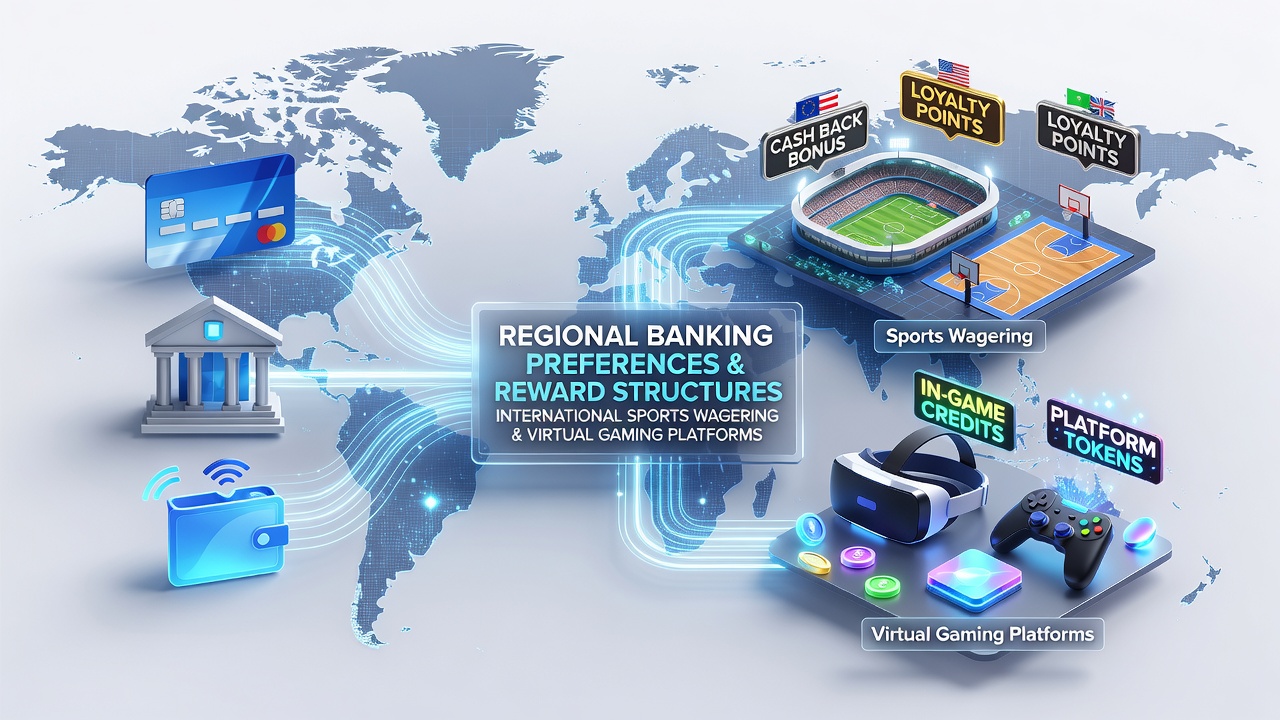
Payment method preferences vary sharply by region, and those differences directly influence how operators design bonuses, cashback offers, and loyalty programs across sports wagering and virtual gaming platforms. Data from multiple industry analyses show that credit card usage dominates in North America while e-wallets and bank transfers prevail in parts of Europe and Asia; each choice carries distinct processing fees, speed, and regulatory requirements that operators must factor into reward calculations.
Payment Method Patterns by Geographic Area
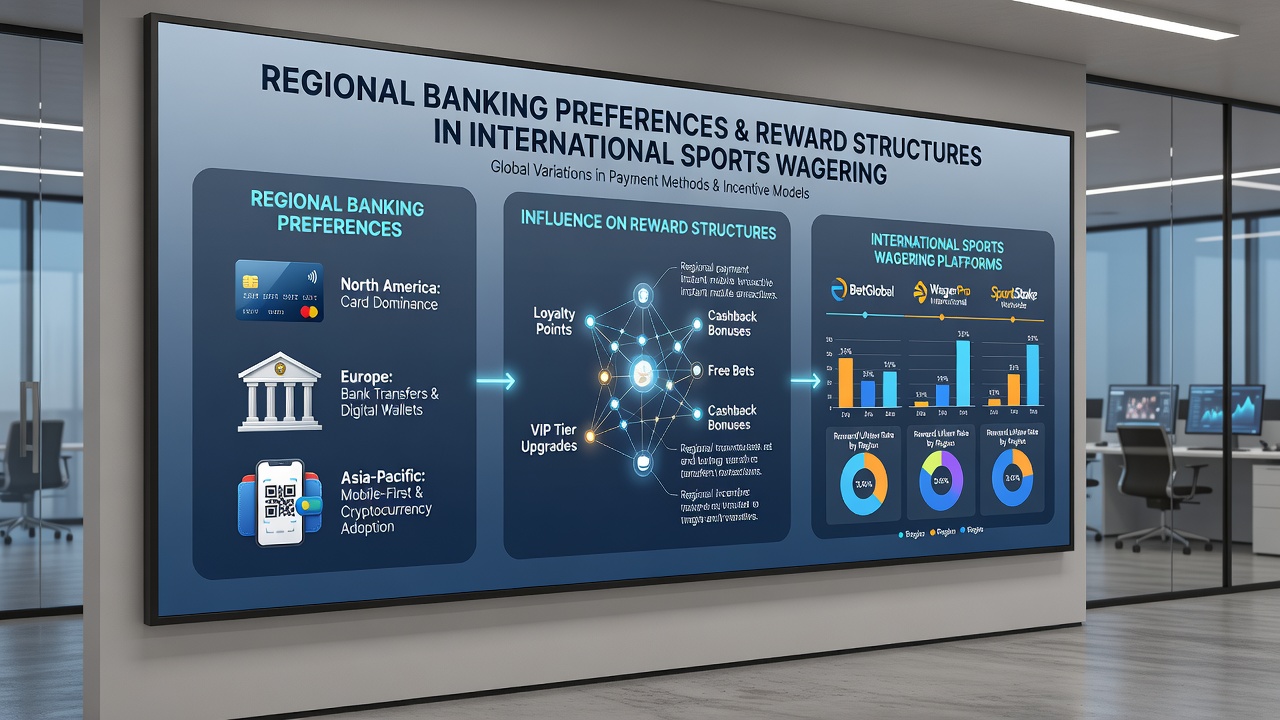
North American users rely heavily on credit cards and prepaid vouchers for deposits, according to figures compiled by the Canadian Centre for Gaming Research. In contrast, many European markets favor instant bank transfers and digital wallets, while Southeast Asian participants often select local e-wallets or cryptocurrency options for lower fees. These patterns create distinct operational costs for platforms serving international audiences, because each method carries different chargeback risks and settlement timelines.
Observers note that reward structures adjust accordingly: operators in regions with high credit card adoption frequently offer smaller percentage bonuses but compensate with faster crediting to offset processing charges. Where bank transfers dominate, platforms sometimes extend higher match rates yet impose longer verification windows before funds become eligible for wagering.
Influence on Bonus Unlocking and Loyalty Mechanics
Reward unlocking timelines shift based on the banking rails chosen by users. Credit card deposits typically clear within hours, allowing immediate participation in bonus rounds, whereas certain bank transfer methods require one to three business days before the same funds unlock promotional play. Virtual gaming platforms therefore calibrate playthrough requirements to match these timelines, ensuring the average user can complete conditions within a realistic window.
Industry reports indicate that loyalty point accrual rates also differ by deposit type. Platforms serving markets with widespread cryptocurrency acceptance often grant accelerated point accumulation for crypto deposits, because transaction costs remain lower and fraud rates trend differently than traditional card payments. This adjustment encourages repeat use of the preferred regional method while maintaining overall profitability.
Regulatory Context and Platform Adaptations
Regulatory frameworks in different jurisdictions add another layer of complexity. Licensing conditions in several European countries require transparent disclosure of all fees attached to deposits and withdrawals, which in turn affects how operators advertise reward percentages. Platforms must publish clear terms that reflect the actual net value users receive after banking charges. In August 2026, multiple international operators updated their regional reward tables to align with revised fee disclosure rules in key markets, demonstrating ongoing adaptation to local banking realities.
One study released by the Australian Gambling Research Centre examined how preferred payment methods correlate with average bonus redemption rates across sports wagering sites. The analysis found that users selecting instant bank transfers redeemed a higher share of promotional funds compared with those using slower settlement options, prompting operators to introduce tiered reward schedules that reward faster payment methods with slightly elevated cashback percentages.
Cross-Border Platform Strategies
International platforms serving multiple continents maintain separate reward structures for each market segment. A single sportsbook might present North American users with credit-card-linked deposit matches while simultaneously offering Asian users crypto-based reload bonuses and loyalty multipliers. These segmented structures reflect the underlying cost differences tied to each region's dominant banking preferences rather than arbitrary decisions.
What's interesting is how withdrawal policies reinforce the same patterns. Markets that favor e-wallets often see same-day payout options tied to those methods, whereas card-heavy regions may route withdrawals through the original deposit channel with additional verification steps. Operators adjust maximum withdrawal caps and processing windows accordingly, ensuring the reward system remains sustainable given the banking infrastructure in each area.
Research from the European Gaming and Betting Association highlights that platforms using localized payment gateways achieve higher user retention when reward structures mirror the speed and cost profile of regional banking norms. Data collected across several operators showed measurable differences in active user days when bonus terms aligned closely with local payment realities.
Conclusion
Regional banking preferences continue to drive differentiated reward structures across international sports wagering and virtual gaming platforms. Payment method availability, processing speed, fee structures, and regulatory requirements combine to shape bonus percentages, unlocking timelines, and loyalty mechanics in each market. As operators expand globally, the need to calibrate rewards to local banking conditions remains a central operational consideration supported by ongoing data collection and regulatory compliance efforts.